
The year was 2003 (I’m assuming), and I was either three or four years old (depending on whether I watched this movie before or after May). Like so many of us ‘90s babies, I grew up watching the likes of Tarzan, Snow White, Mulan, Sleeping Beauty, Bambi, and The Lion King. Loyal as I was to my Disney favorites, my parents would buy my brothers and I the sequels and prequels to the movies we loved whenever there were any.
As some of you may recall, there was a sequel to The Lion King: The Lion King II: Simba’s Pride. It was great to see my familiar favorites in their new roles - Simba thriving in the kingdom he’d taken back from his evil, murderous uncle, now not only a king but a father. Nala, Rafiki, Pumbaa, and Timon were all there, along with a new face I could identify with: Simba and Nala’s young cub, Kiara.
Imagine my surprise when I was introduced to Kovu, and imagine the unfamiliar thrill I felt as Kiara and Kovu became friends despite their families and upbringings. In hindsight, my love for the “bad boy gone good” trope must have begun here. Disney set me on a course that so many other women like me would eventually find themselves on - singing “Love Will Find a Way” and believing that love alone is enough to undo years of trauma, negative programming, and misplaced hatred in a neat hour-and-a-half package.
I believe it was here that my belief that “I can fix him” was born.

Then tack on High School Musical when I was six (Troy hurts Gabriella, makes a grand gesture to fix it, and then all is well in the world), Twilight when I was thirteen (a reformed murderous vampire abandons the girl he loves without warning and is forgiven without a real apology because he almost ends his own life after believing she was dead, nearly getting them both killed over and over again), Can’t Buy Me Love when I was fourteen, then Dirty Dancing, Pride and Prejudice, LOL, not to mention Fifty Shades of Grey when I was eighteen... I don’t think I need to explain that one much.
There is a pattern in every one of the stories I came to love (and still love), and it’s this: the beautiful, emotionally complicated man always hurts the woman he loves most in the world, but he never really means it. It’s because he’s sad, hurt and misunderstood. It’s simply the plot twist that comes before the happily ever after - a rite of passage before you can earn love and happiness.
From the ages of fourteen to nineteen, I thought the intense emotional turmoil was not only normal but necessary. I thought choosing to fight through these issues, no matter how much pain they caused, was a noble pursuit and simply what you do when you love someone - which, to an extent, it is. However, it takes two people to fix a relationship, and it’s simply not possible for one person to love someone else’s problems away. There’s nothing you can ever really do to earn the love you deserve from the person you love.
When my frontal lobe fully developed at the ripe old age of twenty-five, I distinctly remember no longer finding these kinds of stories romantic.
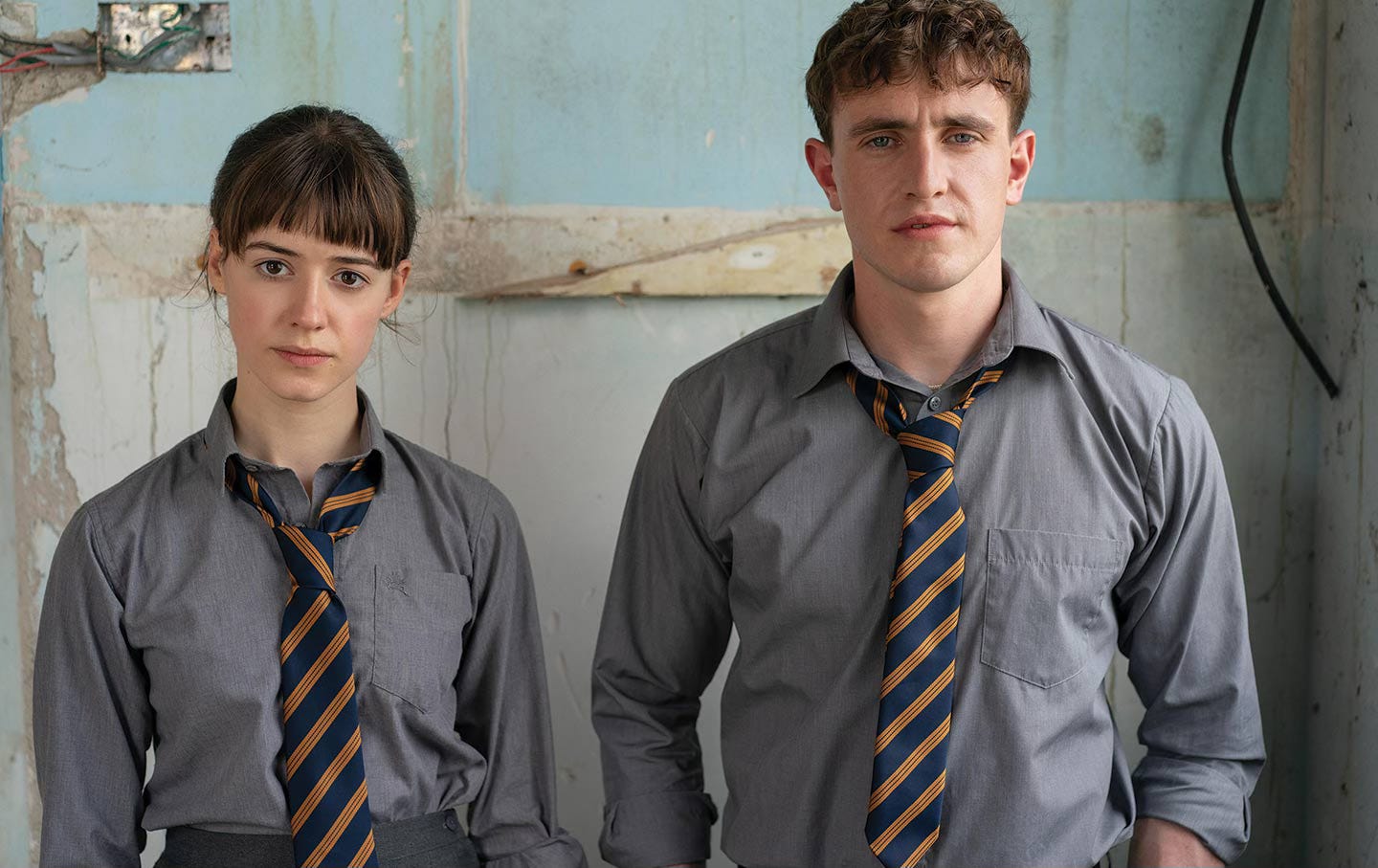
For example, when I watched Normal People for the first time, I wanted to reach into the screen, shake Marianne by the shoulders, and yell, “Girl, RUN! HE WILL NEVER CHANGE! HE CAN NEVER GIVE YOU THE LOVE YOU DESERVE. HE DOESN’T EVEN LOVE HIMSELF!”
Meanwhile, much of the online commentary praised their relationship. I will say this: I loved that the ending was realistic because a couple like that - one that’s experienced that much pain and that much love - doesn’t usually end up together, at least not in a way that can be sustained. Not truly. The story felt real, and watching it was almost cathartic. It felt like justice in comparison to the feelings I got watching shows and movies like The Summer I Turned Pretty, My Life with the Walter Boys, Maxton Hall, and so many others.
It made me reflect on a phrase I grew up hearing: Dime con quién tú andas y yo te diré quién eres. Tell me who your friends are, and I’ll tell you who you are.
You are the sum of the five people closest to you. What you consume, you become.
And what exactly is the story us lover girls have always consumed?
It’s tricky because love isn’t perfect, and neither are people. But I also feel that if we’re going to give young girls something to look up to, it shouldn’t always be the same old tale: the guy you love truly loves you, even when he betrays you and hurts you in ways you’ve never been hurt before.
Because the truth is, a man who loves you will choose you. He will love and honor you. He won’t hide you or act ashamed of you. He won’t lie about his feelings for you or keep you on the back burner until he’s seen the world and decided to settle on you.
This EP is meant to be a commentary - from the perspective of the woman in these shows and movies, the woman watching them, and the narrator commenting as a third-party observer.
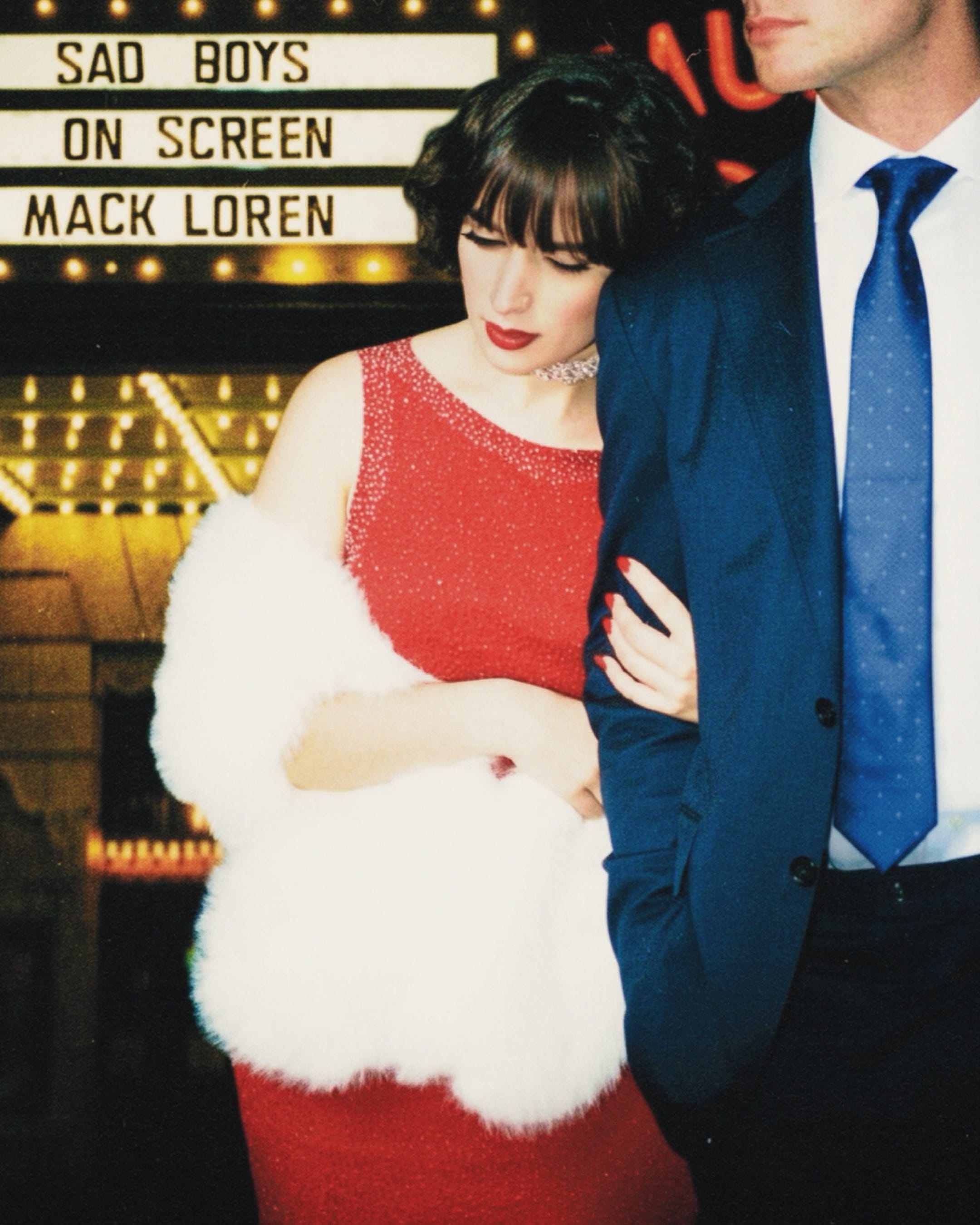
I wanted these songs and lyrics to encourage the people who listen to my music to think about the media they’ve consumed and ask themselves whether it has quietly bled into their reality - informing what they consider normal when, in reality, it often isn’t... or, at the very least, shouldn’t be.
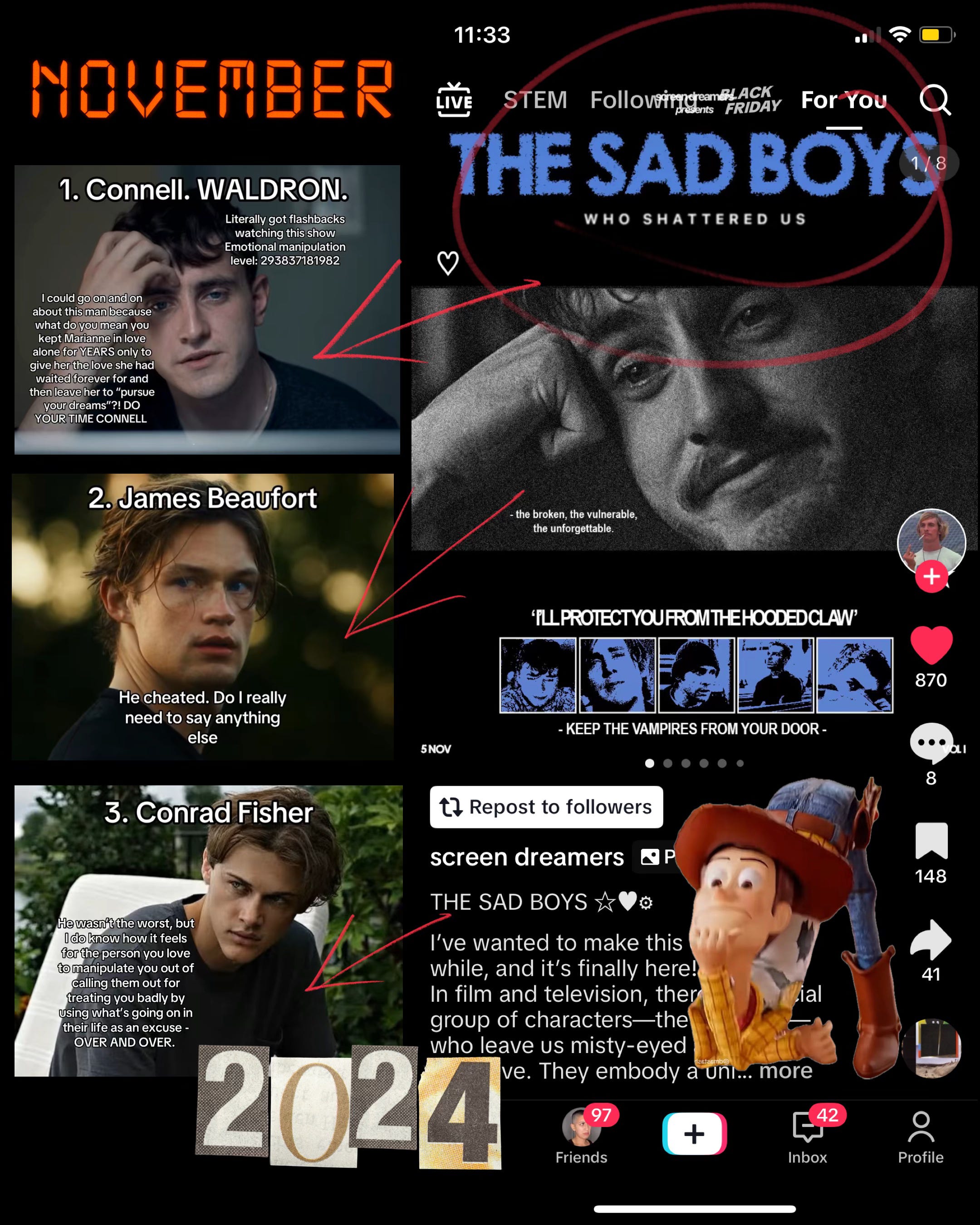
I still enjoy all the shows and movies I mentioned above. Pride & Prejudice is, and forever will be, my comfort movie. But my point is that we should take these stories at face value and remember that we do not need to become human doormats in order to earn the love we deserve... no matter how beautiful - or how sad - the boy is.